The Company's project development team operates across all provinces in China, actively expanding its market. In regions with abundant sunlight, favorable grid connection conditions and high returns, the Company proactively secures high-quality solar photovoltaic projects to ensure steady growth in the capacity of its solar power stations. As of the end of June 2025, the total capacity of the Company's operating, under-construction, planned and pre-acquisition agreement-signed power stations is approximately 12.647 GW.
The Company actively explores innovative "PV+" models and has developed a portfolio of flagship power plants that integrate PV with agriculture, forestry, fishery, animal husbandry and ecological governance, delivering a Chinese solution for "PV+ integrated utilization".
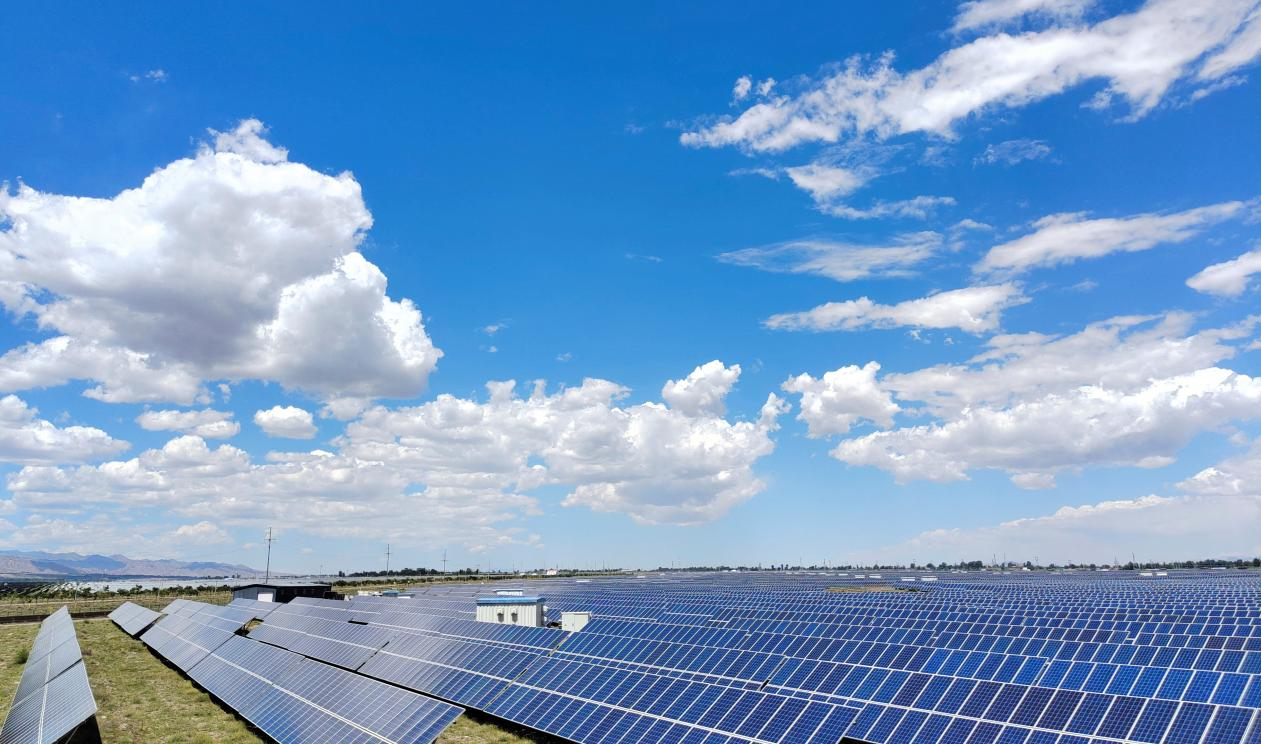
CECEP Solar Energy Wuwei 269 MW PV Power Station is located in Wuwei City, Gansu Province. As a typical desert ground-mounted PV power plant, it has achieved leapfrog development over more than a decade, expanding from an initial 10 MW to the current 269 MW, and has become a benchmark project in the Hexi 10-GW-level wind and solar energy base in Gansu.
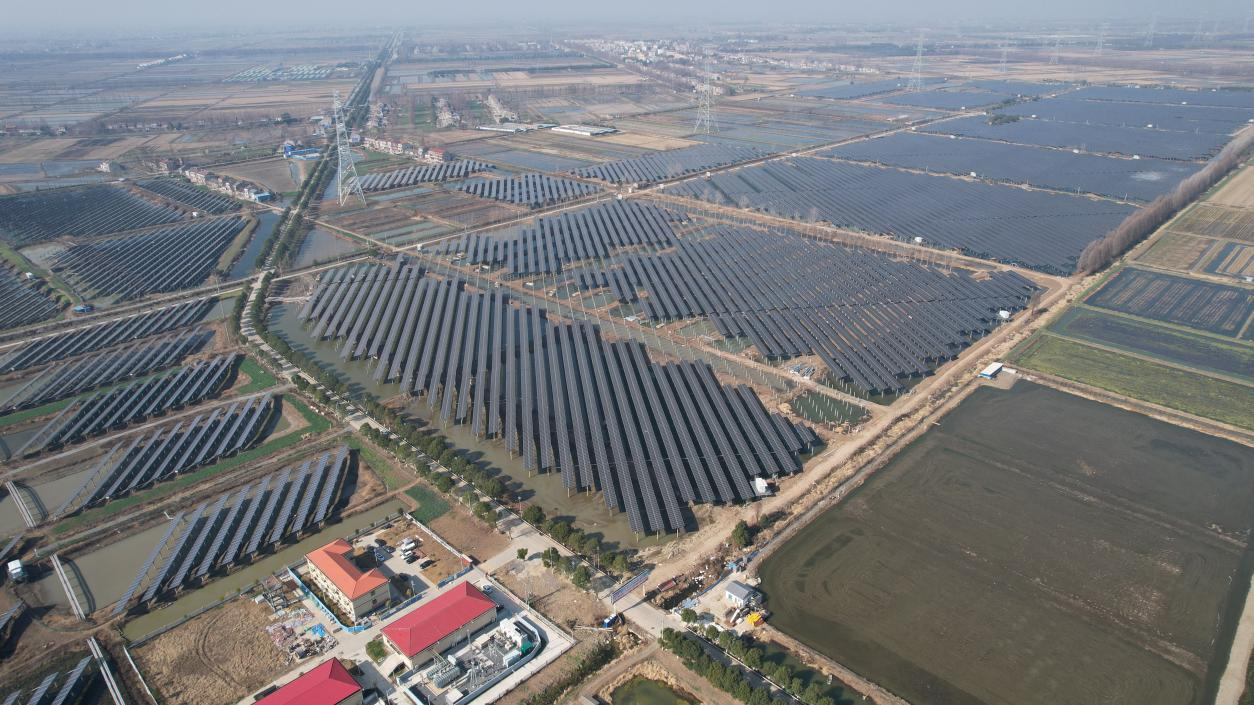
CECEP Solar Energy Huanghu Farm 200 MW Fishery-PV Complementary Power Station is located onthe fish pond in the Huanghu Management Zone, Jianli City, Hubei Province. Without occupying additional land resources, the station makes full use of the abundant local pond water areas to develop a three-dimensional PV powerstation model featuring“PV power generation on water surface and ecological aquaculture underwater”. While supplying clean energy, the project has significantly improved land resource utilization efficiency.
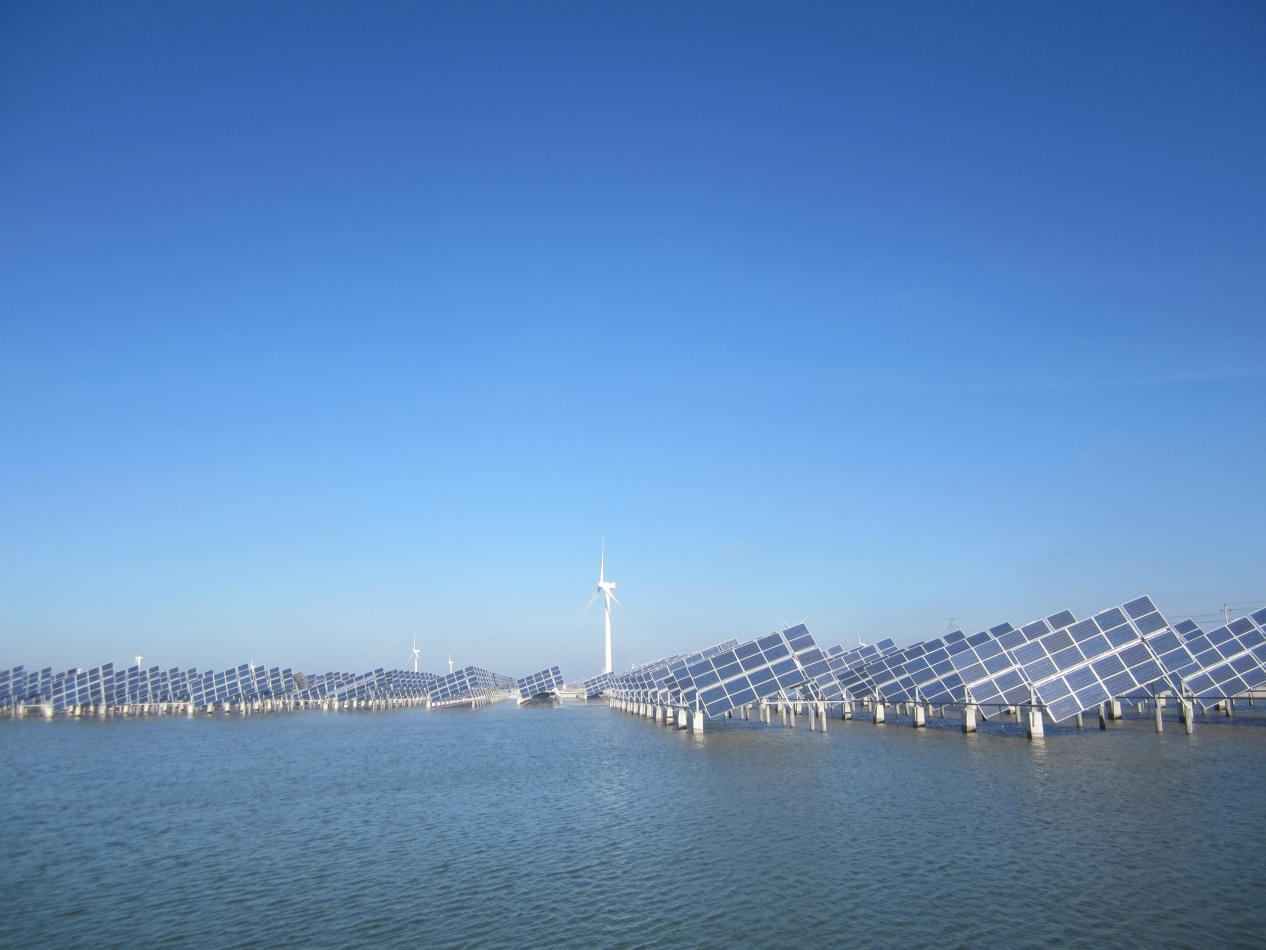
CECEP Solar Energy Jiangsu Dongtai 78.8 MW Grid-Connected PV Project is located in the Coastal Economic Zone of Dongtai City, Jiangsu Province. As a large-scale comprehensive utilization demonstration base along the coast of Jiangsu, it integrates photovoltaic power generation, scientific and educational research and development, as well as fishery aquaculture. The project supplies approximately100 million kWh of green electricity annually.
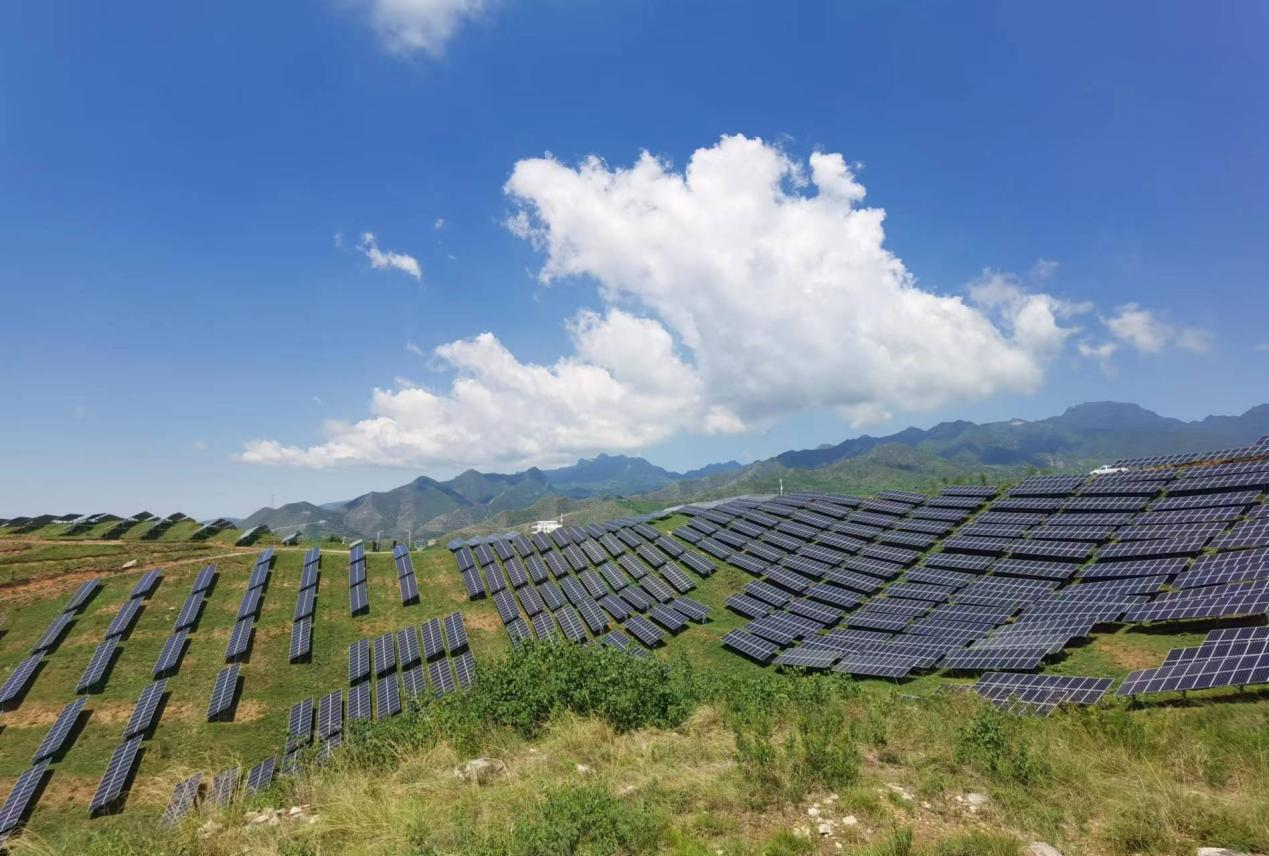
CECEP Solar Energy Shanxi Ruicheng 50 MW PV Power Station, located in the Ruicheng PV Leading Technology Base, is a typical mountain PV project. It is built entirely on barren hills and slopes, occupying no arable land resources. The site features steep terrain with a maximum altitude of 1,993 meters, about 70% of the area consists of rock formations, and mountain slopes exceed 60 degrees at their steepest points. These conditions impose high requirements on construction techniques and bring great challenges to construction and operation & maintenance.
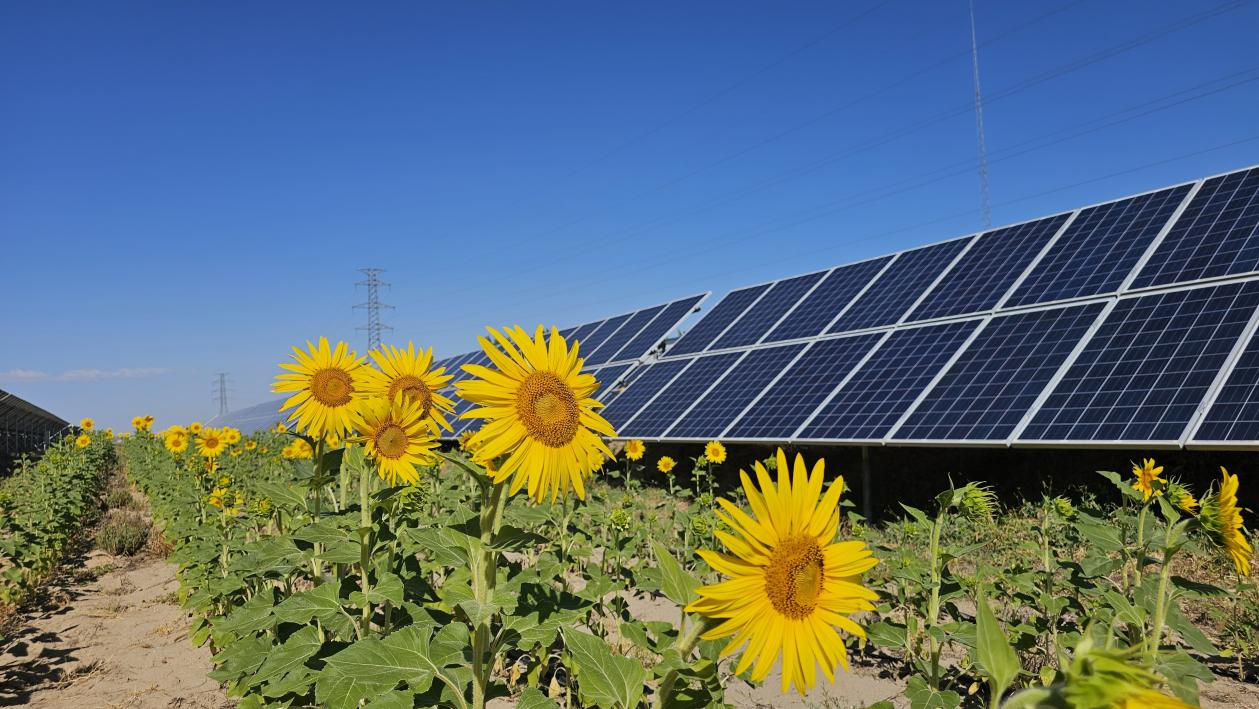
CECEP Solar Energy Xinjiang Khorgas 50 MW PV Power Station generates approximately80 million kWh of green electricity annually. The station adopts an integrated model of photovoltaic power generation and ecological management to improve the local environment. By constructing straw checkerboard sand barriers in the desert, the project has effectively promoted the growth of sand-fixing plants, raising the vegetation coverage rate from merely 5% to 55%. Leveraging its unique geographical advantages, the station has also piloted the cultivation of lavender,
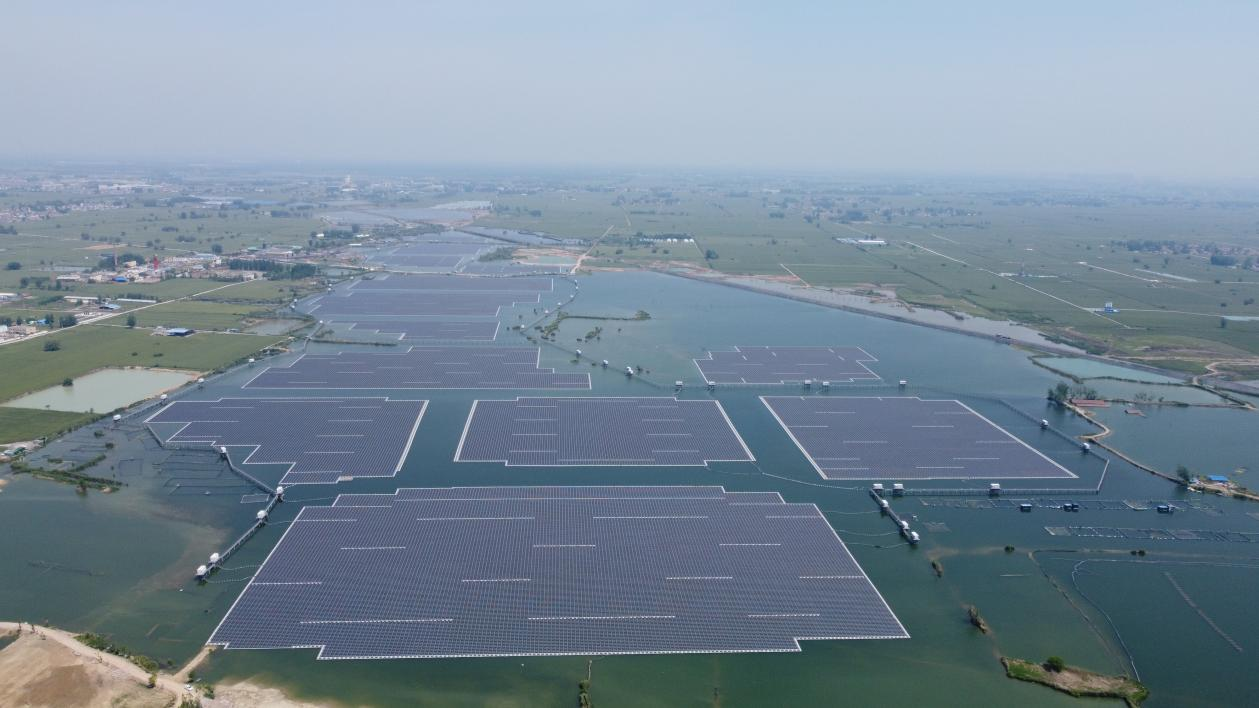
The Yongqiao Zhuxianzhuang 70 MW Water-Surface PV Power Generation Project in Coal Mining Subsidence Area of CECEP is located in the National Advanced Technology PV Demonstration Base in the Huaibei and Huainan coal mining subsidence area of Anhui Province. The project is a floating photovoltaic power station with top single scale and leading technology in China. The project generally adopts a floating scheme that uses the leading floating system on the water surface to form 13 floating islands to support photovoltaic cell panels. The buoy material is food-grade high-density polyethylene (HDPE), and the floating island scheme may be flexibly arranged according to the actual situation of the water surface to achieve integration with the surrounding natural ecological environment.
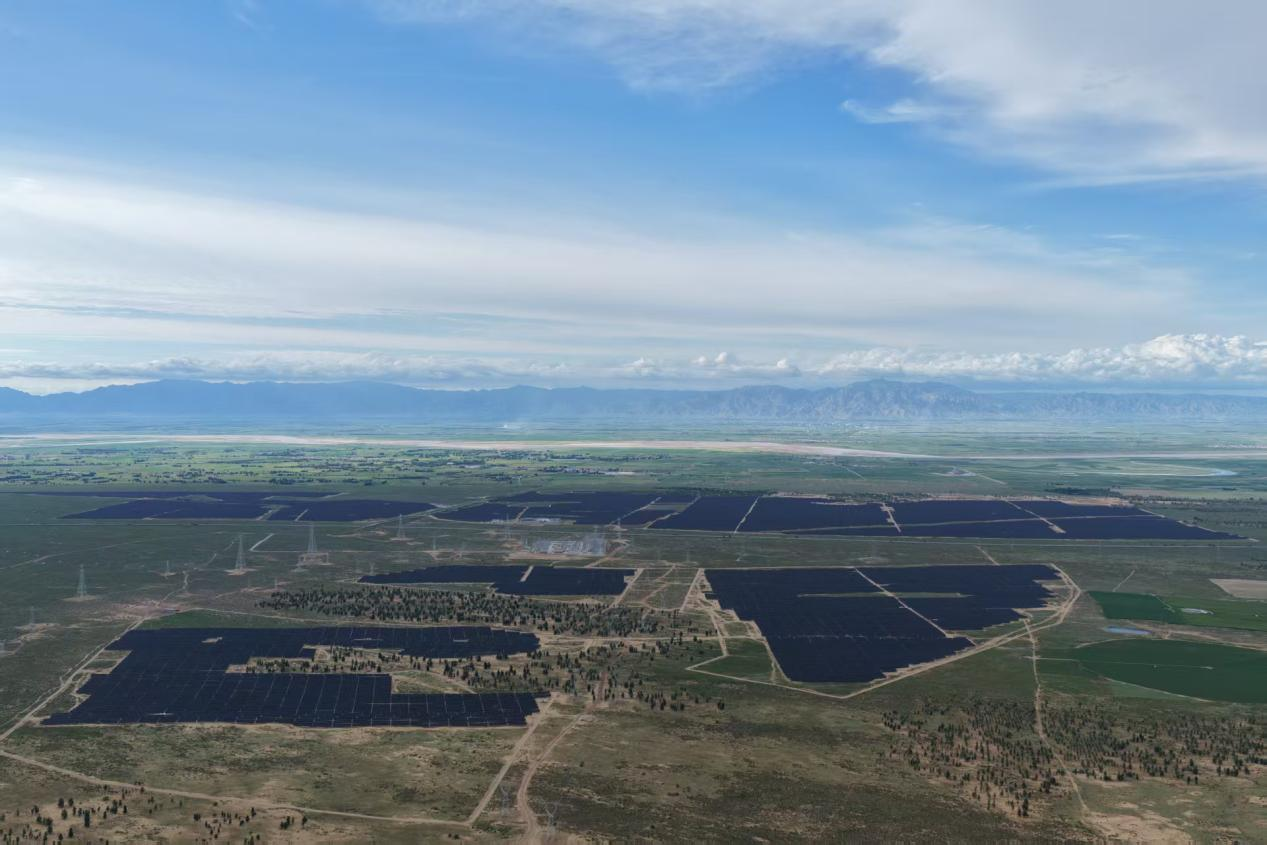
CECEP Solar Energy Dalad Banner 500 MW Sand Control and PV Integration Project is located in Ordos City, Inner Mongolia Autonomous Region. As part of Inner Mongolia’s sand control and wind-PV integration project, it is equipped with a 75MW/150MWh electrochemical energy storage system. After completion, the project is expected to deliver approximately 850 million kWh of green electricity annually, saving about 260,000 tons of standard coal.
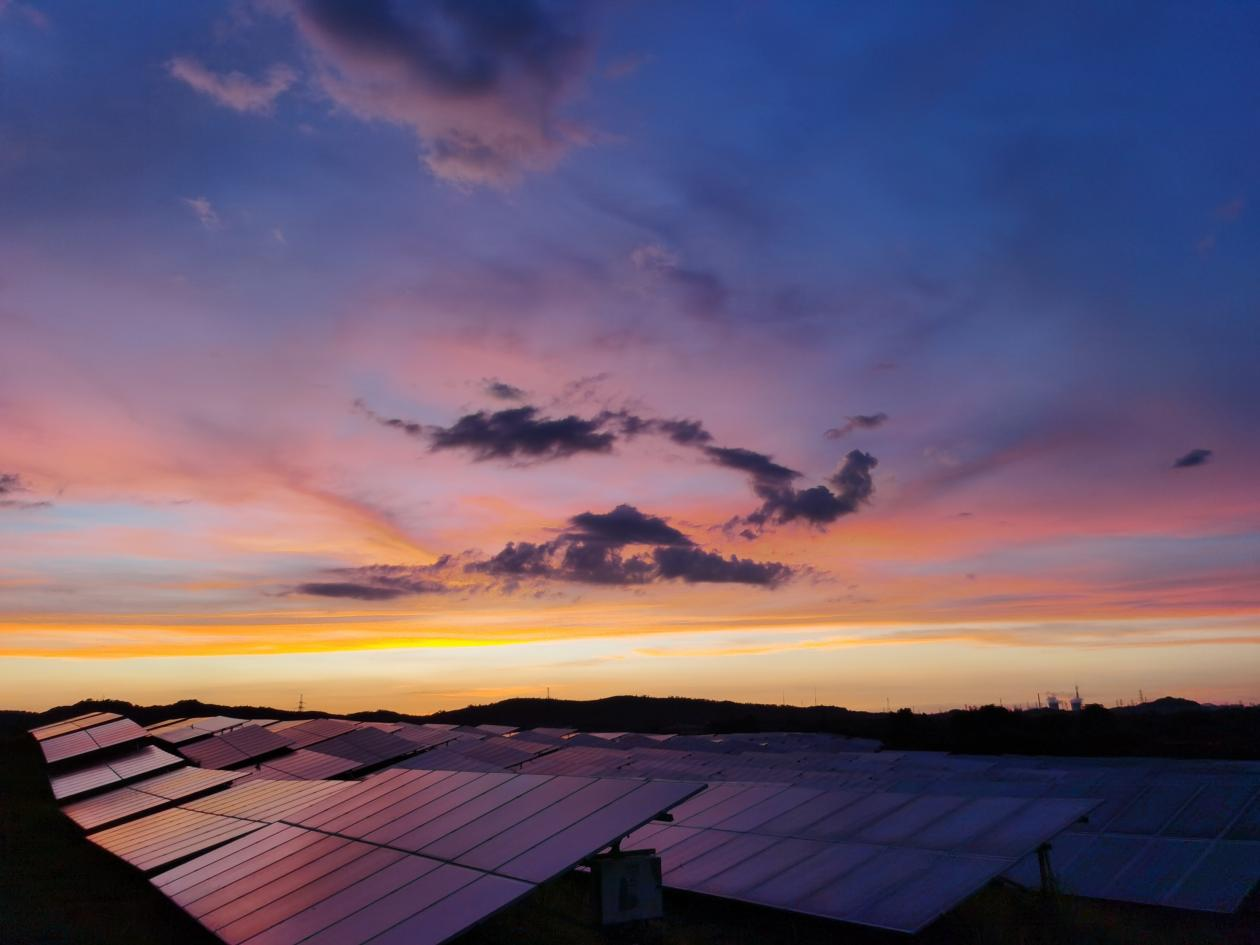
The project adopts a dual model of"Forestry-PV Complementary" and"Fishery-PV Complementary". Among them, Duimenshan Power Station is a forestry-PV complementary project integrated with landscape technology. By planting oil-tea camellia trees between PV arrays and redleaf photinia along the plant roads, it effectively promotes the development of the "PV + Green Ecology" model. Dongshanlong Power Station is built along the water body, with intelligent operation and maintenancesupporting its safe and efficient operation.